The release
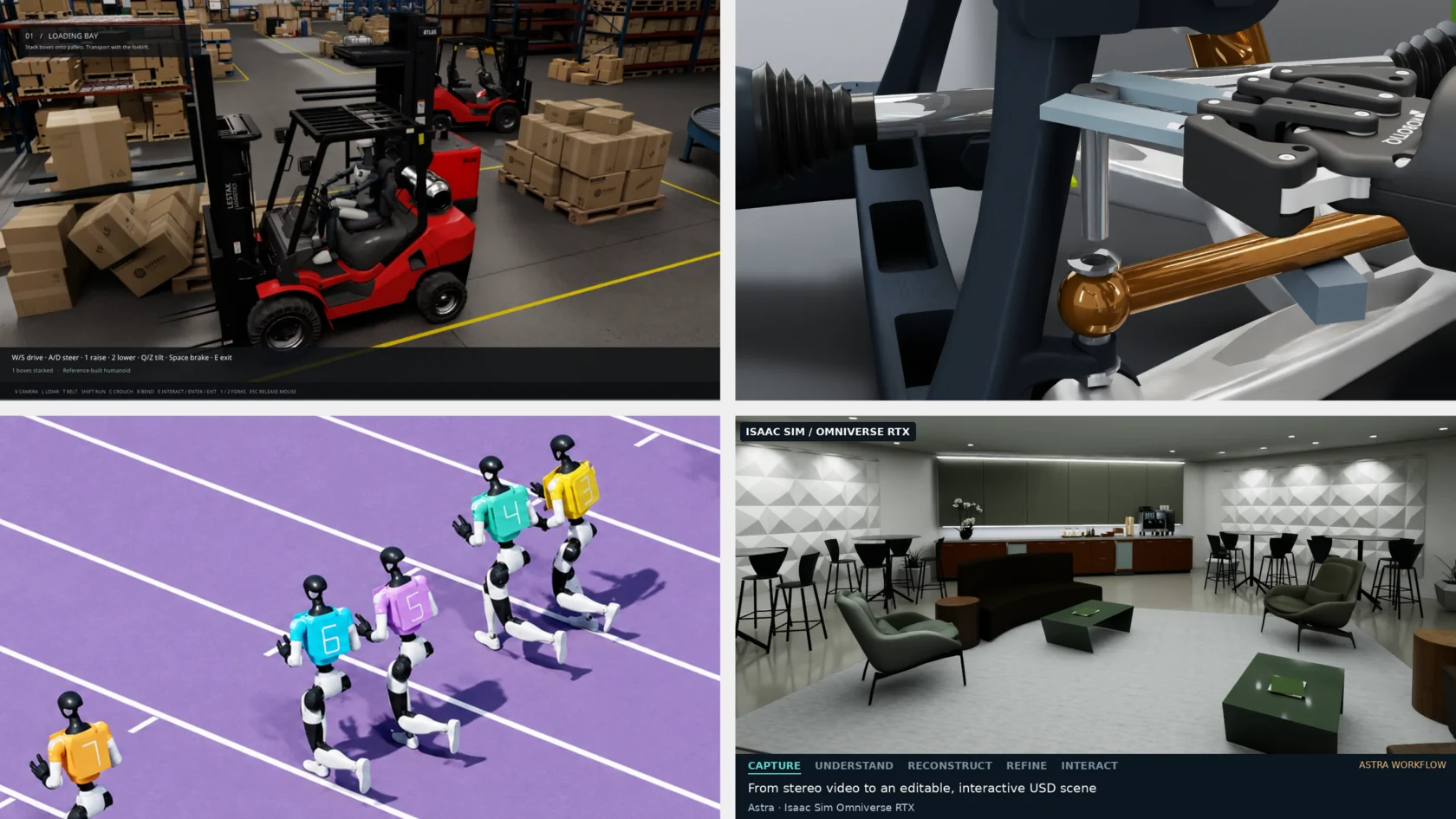
Google announced EmbeddingGemma 2 on October 6, extending its embedding model beyond text. The company describes a 740-million-parameter model that maps text, code, images, audio, and video into a shared embedding space. It uses an Apache 2.0 license and is designed for on-device inference. Google’s examples include finding a video moment from a voice memo and locating an audio passage with a written query.
Retrieval, rather than an answer
An embedding model represents material in a form that helps a system retrieve related items. Google offers separate encoders and adjustable vector sizes for different workloads, and publishes hardware and benchmark results in its launch materials. Those are vendor-reported measurements; Future AI has not benchmarked the model on its own media collection or hardware.
The Future AI view
For a local newsroom, the attraction is straightforward: find the part of an archive worth inspecting without sending every raw file elsewhere. But retrieval is the beginning of reporting. A close match can still be the wrong event, an old recording, or a clip missing its surrounding context. I would keep the original file, the source, and the date attached to each result. The model can help find the moment. The article still needs to explain what happened, and a finished cut still needs a person to decide what the viewer should see.
Sources & further reading
Google DeepMind announcement · October 6, 2026Reported facts are drawn from the linked sources. The Future AI view is our interpretation. Company demonstrations and benchmarks are attributed; no independent product test is claimed.
Prepared with AI assistance for the Elias Marrow byline. Send a correction.